
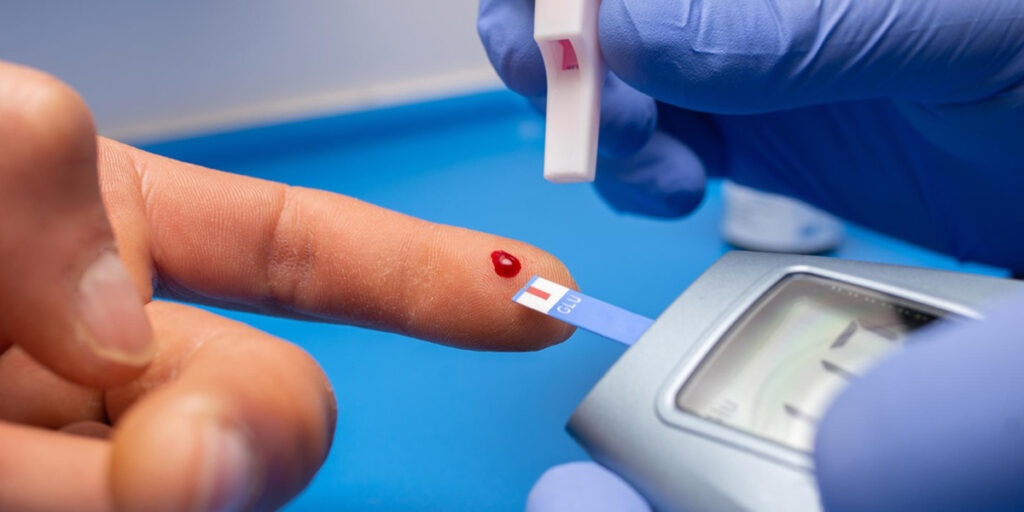
Blood sugar, also known as blood glucose, is one of the body’s main sources of energy. Your body carefully regulates blood glucose levels to make sure your cells have enough energy to function properly. However, when blood sugar becomes consistently too high or too low, it can affect your health and may sometimes indicate an underlying problem.
Conditions such as prediabetes and type 2 diabetes can develop gradually, and some people may have few or no noticeable symptoms in the early stages. This is why recognising potential warning signs and having your blood sugar checked when appropriate can be important.
So, how do you know when it might be time to check your blood sugar?
Here are five signs that shouldn’t be ignored.
1. You’re Constantly Thirsty
Feeling thirsty after exercise or on a hot day is completely normal. However, persistent or unexplained thirst can sometimes be associated with high blood sugar.
When blood glucose levels become elevated, the kidneys may work harder to remove excess glucose from the blood through urine. This can cause the body to lose more fluid, which may leave you feeling increasingly thirsty.
You may notice that you are:
- Drinking much more water than usual
- Feeling thirsty shortly after drinking
- Experiencing a dry mouth frequently
- Constantly carrying water with you because of persistent thirst
There are many other reasons why someone may feel unusually thirsty, so this symptom alone does not mean you have diabetes. However, if it is persistent or occurs alongside other symptoms, it may be worth speaking with a healthcare professional.
2. You’re Urinating More Frequently
Frequent urination can be another possible sign of elevated blood sugar.
When there is more glucose in the bloodstream than the body can effectively manage, the kidneys may attempt to remove some of the excess glucose through urine. This can increase the amount of fluid passing through the kidneys and lead to more frequent urination.
You may notice that you are visiting the bathroom more often than usual or waking up several times during the night to urinate.
Frequent urination can also be caused by other factors, including increased fluid intake, certain medications, urinary problems, and other medical conditions. If the change is new, persistent, or unexplained, a medical assessment can help determine the cause.
3. You’re Feeling Tired All the Time
Everyone feels tired occasionally. A busy lifestyle, poor sleep, stress, or a lack of physical activity can all contribute to fatigue.
However, persistent tiredness or a noticeable drop in your usual energy levels may sometimes be associated with problems regulating blood glucose.
When glucose cannot be used effectively by the body’s cells, you may feel as though you have little energy even after sleeping or resting.
You might notice:
- Feeling exhausted throughout the day
- Difficulty concentrating
- Reduced energy for normal activities
- Feeling weak or sluggish
- Needing to rest more frequently than usual
Fatigue has many possible causes, including anaemia, thyroid problems, vitamin deficiencies, sleep problems, stress, and other health conditions. Blood sugar testing may therefore be one part of a wider health assessment.
4. Your Vision Becomes Blurred
Changes in blood sugar levels can sometimes affect the way your eyes focus, which may result in temporary blurred vision.
If your blood glucose levels change significantly, fluid levels in the tissues of the eye can also change. This may temporarily affect your ability to see clearly.
You may notice that:
- Objects appear slightly blurred
- Your vision changes throughout the day
- Reading becomes more difficult
- Your eyesight seems different from normal
Blurred vision should not automatically be attributed to blood sugar. There are many possible causes, including eye conditions and other medical problems.
If you experience sudden or significant changes in your vision, seek medical attention promptly.
5. Cuts and Wounds Seem to Take Longer to Heal
Another sign that may warrant checking your blood sugar is unusually slow healing.
Persistently high blood glucose can affect blood vessels, circulation, and the body’s ability to respond effectively to infections and tissue damage. As a result, wounds may sometimes take longer to heal.
You may notice that a small cut, scratch, blister, or sore is taking longer than expected to improve.
This can be particularly important if slow-healing wounds occur alongside other symptoms such as increased thirst, frequent urination, or unexplained tiredness.
A wound that is becoming increasingly painful, red, swollen, warm, or producing discharge should be assessed by a healthcare professional, regardless of the possible cause.
Other Possible Signs to Look Out For
The five symptoms above are not the only changes that can occur with abnormal blood sugar levels.
Depending on the individual and whether blood glucose is high or low, other symptoms may include:
- Unexplained weight changes
- Increased hunger
- Headaches
- Shakiness or sweating
- Feeling dizzy or light-headed
- Difficulty concentrating
- Tingling or numbness in the hands or feet
- Recurrent infections
- Dry or itchy skin
It is important to remember that these symptoms are not specific to diabetes. They can occur for many different reasons, which is why proper testing and medical assessment are important.
Who Should Consider Having Their Blood Sugar Checked?
Blood sugar testing may be particularly important if you have risk factors for diabetes or have noticed persistent symptoms.
You may want to discuss testing with a healthcare professional if you:
- Have a family history of diabetes
- Are overweight or have obesity
- Have high blood pressure or high cholesterol
- Have previously been told you have prediabetes
- Lead a largely inactive lifestyle
- Have had diabetes during pregnancy
- Are experiencing several of the symptoms mentioned above
- Have noticed unexplained changes in your health
Even if you feel completely well, routine health checks can sometimes identify elevated blood sugar before noticeable symptoms develop.
How Is Blood Sugar Checked?
Checking blood sugar does not necessarily require a complicated process.
A healthcare professional may recommend different types of blood glucose testing depending on your symptoms, health history, and circumstances.
Blood Glucose Test
A blood glucose test measures the amount of glucose in your blood at a particular point in time. Depending on the type of test, you may be asked to fast beforehand.
HbA1c Test
An HbA1c blood test provides an indication of your average blood glucose levels over approximately the previous two to three months.
Unlike a single glucose measurement, HbA1c gives healthcare professionals a longer-term picture of blood sugar control and can be used to help identify prediabetes or diabetes.
Your healthcare professional can advise which test is most appropriate for you and whether additional testing is required.
What Happens If Your Blood Sugar Is High?
Having an elevated blood sugar result does not necessarily mean that you have diabetes.
Blood glucose can be affected by several factors, including food, illness, stress, medication, and other health conditions. If a result is outside the expected range, your healthcare professional may recommend repeating the test or carrying out additional investigations.
If you are diagnosed with prediabetes or diabetes, early management can make an important difference to your long-term health.
Depending on your individual situation, management may involve changes to diet, physical activity, weight management, medication, or regular monitoring of blood glucose.
Don’t Ignore Persistent Symptoms
Blood sugar problems can sometimes develop without obvious warning signs. When symptoms do occur, they can also be mistaken for everyday tiredness, dehydration, stress, or other common problems.
That’s why persistent or unexplained changes in your health are worth discussing with a healthcare professional.
If you’re experiencing increased thirst, frequent urination, persistent tiredness, blurred vision, slow-healing wounds, or several of these symptoms together, consider speaking with a healthcare professional about whether a blood sugar check is appropriate for you.
A simple blood test can provide useful information about your health and may help identify problems that require further assessment.
Take the First Step Towards Understanding Your Health
You don’t have to wait until symptoms become severe before seeking medical advice.
Regular health checks can help identify potential problems early and give you a clearer understanding of your overall health.
If you’re concerned about your blood sugar or have noticed changes in your health, arrange a consultation with a healthcare professional to discuss your symptoms and whether blood glucose testing is appropriate.
This article is intended for general health information and does not replace professional medical advice, diagnosis, or treatment.